Wilmington, MA · Middlesex County
Desiccant Dehumidification in Wilmington, MAFirefighting Water Drying & Construction Drying Services
Desiccant Dehumidification in Wilmington covers flood drying services, crawl space drying and emergency dehumidification.
Answered 24/7
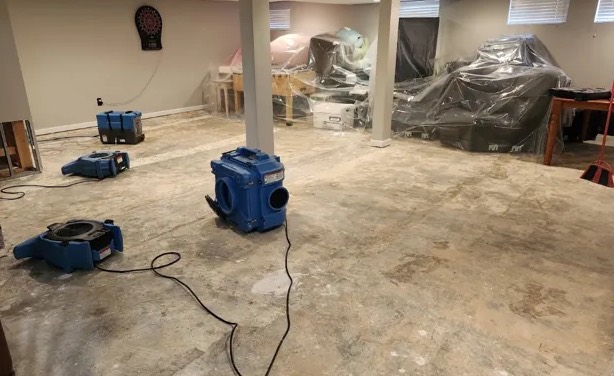
Desiccant Dehumidification: Moisture Control in Wilmington
After a fire in Wilmington, the water used to put it out soaks rooms well beyond the burned area. That water needs to come out before rebuilding.
A flood in a large Wilmington building can need high-capacity drying. Local water damage restoration pros serve Wilmington and nearby Burlington, Reading and Woburn, with help available around the clock.
Desiccant Dehumidification Methods Used in Wilmington
Firefighting Water Drying
After a fire, water used by firefighters soaks walls, floors and ceilings. Desiccant drying helps dry those materials once debris is cleared.
Construction Drying Services
Readings on slabs and framing show when materials are dry enough for the next stage of work.
Emergency Dehumidification
Equipment is sized to the space on the first visit and adjusted each day based on readings.
Basement Dehumidification
Basement concrete and framing release water slowly. Desiccant drying keeps humidity low so they can dry in a reasonable time.
Crawl Space Drying
Readings on the wood framing are taken at each visit until they return to normal levels.
Symptoms Requiring Desiccant Dehumidification in Wilmington
Strong Damp Odor in Rooms
A damp smell that stays in a room after cleanup means materials there are still holding moisture.
Spongy Drywall or Soft Spots
Drywall that feels soft or spongy has absorbed water and may need removal if it does not dry.
Peeling Paint or Wallpaper
Paint or wallpaper that peels after a leak has moisture behind it that has not dried.
Cold, Damp Feeling in Air
Air that feels cold and damp, especially in lower levels, can be too cool for standard dehumidifiers to work well.
How Desiccant Dehumidification Works in Wilmington
Step 1: Initial Damage Inspection
Humidity and moisture readings are taken across the affected area to set the drying plan.
Step 2: Deployment of Drying Equipment
Desiccant or standard dehumidifiers and air movers are placed based on the space and readings.
Step 3: Monitored Drying Cycle
Readings are logged daily, and equipment is moved or adjusted as each material dries.
Step 4: Completion and Clearance
Final readings confirm materials are dry, and the space is cleared for repairs.
Origins of Dampness and Desiccant Dehumidification in Wilmington Buildings
Roof Leaks From Damaged Shingles
Roof leaks from damaged shingles soak attic insulation, roof decking and the ceilings below.
HVAC System Condensation Issues
Clogged AC drain lines overflow into attics, closets and the ceilings below them.
Appliance Malfunctions and Overflows
Washers, dishwashers and water heaters that leak leave wet floors, cabinets and walls.
Severe Weather and Storm Flooding
Storms and flooding soak lower levels and leave large volumes of wet material.
House & Business Desiccant Dehumidification in Wilmington, MA
Residential Desiccant Dehumidification
Families can usually stay home during drying, though equipment makes steady noise and some areas may be closed off.
Commercial Desiccant Dehumidification
Builders and contractors use desiccant drying to get slabs and drywall ready for flooring and paint on schedule.
Desiccant Dehumidification vs. DIY: When to Call the Pros
For a small spill in a warm room, a household dehumidifier and fan may be enough. Call local water damage restoration pros if drywall, flooring or framing got wet or the space is cool and damp.
Understanding Desiccant Dehumidification Expenses in Wilmington
Repairs after drying are a separate cost. In Wilmington, fully dried materials often mean fewer repairs are needed.
Additional Restoration Steps
Extraction, material removal and cleaning before drying are separate steps that add to the total.
Number of Dehumidifiers
The number and size of dehumidifiers needed for the space is a major part of the cost.
Type of Water Damage
Floodwater and sewage need cleaning and removal of materials before drying, which adds cost.
Does Insurance Cover Desiccant Dehumidification?
Coverage for desiccant dehumidification depends on the cause of the water and your policy. The pros document the drying, and your insurer decides what is covered.
Selecting Local Pros for Desiccant Dehumidification in Wilmington, Massachusetts
Damage Assessment
The full affected area is checked, including rooms next to and below the source.
Desiccant Equipment
Desiccant units are used where they fit, such as cool spaces, crawl spaces and large buildings.
Prevention of Mold
Fast, complete drying is one of the main ways to keep mold from starting after water damage.
24/7 Desiccant Dehumidification for Wilmington Emergencies
Crawl space or lower level wet after a storm? Call (508) 419-9014 now for desiccant dehumidification in Wilmington before the framing stays damp.
Call Now (508) 419-9014Desiccant Dehumidification Service Area Including Wilmington
Help with desiccant dehumidification reaches Burlington, Reading and Woburn, plus other communities around Wilmington, for houses, apartments and large buildings.
- Desiccant Dehumidification in Burlington
- Desiccant Dehumidification in Reading
- Desiccant Dehumidification in Woburn
- Desiccant Dehumidification in Billerica
- Desiccant Dehumidification in Tewksbury
- Desiccant Dehumidification in Andover
- Desiccant Dehumidification in Stoneham
- Desiccant Dehumidification in Wakefield
- Emergency Damage Restoration in 01887
- Storm Damage Restoration in 01887
- Water Damage Restoration in 01887
- Water Extraction Service in 01887
- Water Leak Detection in 01887
- Water Removal Service in 01887
Answers to Top Desiccant Dehumidification Queries
Can desiccant dehumidification dry behind walls?
Dry air helps, especially when directed into wall cavities through small openings, with readings to confirm results.
What are the benefits of construction drying services?
Drying slabs and drywall on schedule so flooring and finishes are not installed over damp materials.
What does water damage dehumidification include?
Taking readings, placing dehumidifiers and air movers, logging progress daily and confirming materials are dry.
What is desiccant dehumidification used for?
Drying spaces after water damage where standard dehumidifiers struggle, such as cool crawl spaces, large buildings and dense materials.
What happens after desiccant dehumidification is complete?
Final readings are recorded, equipment is removed and the space is ready for repairs or finishes.