Wilmington, MA · Middlesex County
Industrial Dehumidification in Wilmington, MACommercial Water Damage Cleanup & Structural Drying Services
For Industrial Dehumidification in Wilmington, local pros handle warehouse moisture control, mold remediation services and structural drying services.
Answered 24/7
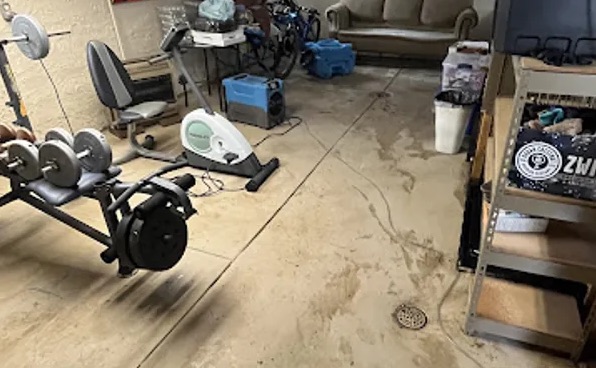
Local Industrial Dehumidification for Wilmington Businesses
In Wilmington, flooding in industrial buildings comes from broken supply lines, failed equipment or storms. Acting quickly limits lost work time and further damage.
Industrial dehumidification is a priority for large facilities in Wilmington and nearby areas like Burlington, Reading and Woburn. Whether dealing with a burst pipe or ongoing humidity issues, local water damage pros apply commercial dehumidification techniques.
Industrial Dehumidification Solutions for Wilmington
Commercial Water Damage Cleanup
Specialized drying equipment is needed for retail or office water damage. The pros deploy industrial-grade dehumidifiers to extract moisture from air and materials in Wilmington.
Structural Drying Services
Water-compromised materials must be dried from the inside out. The pros use specialized equipment to extract moisture trapped within concrete, wood, and drywall.
Warehouse Moisture Control
High warehouse humidity leads to condensation and product damage. The pros deploy industrial dehumidifiers to pull excess moisture from the air.
Emergency Water Removal
Standing water poses immediate safety hazards and accelerates damage. Once the water is gone, industrial dehumidification addresses the saturated atmosphere and materials.
Industrial Flood Damage Restoration
After a significant flood, industrial spaces need professional drying. Water damage restoration pros in Wilmington set up systems to dry the building structure and contents, checking readings daily.
Signs of Moisture Requiring Industrial Dehumidification in Wilmington
Soggy Inventory or Stock
Wet cardboard, damaged goods or damp raw materials mean humidity in the building is not under control.
Visible Mold
Black, green or white spots on walls or contents mean humidity has been high for too long.
Stained Ceilings or Walls
Yellow or brown water stains show where past leaks happened and where moisture may still be.
Musty Odors and Smells
A persistent earthy smell often points to hidden moisture in walls, ceilings or stored goods.
How Industrial Dehumidification Works in Wilmington
Step 1: Initial Water Damage Cleanup
Pumps and extractors remove the visible water to stop more damage and remove slip hazards.
Step 2: Establish Drying Environment
The area is closed off and dehumidifiers lower the humidity so moisture leaves the materials.
Step 3: Execute Structural Drying Plan
Air movers push air across wet surfaces so the water evaporates and the dehumidifiers collect it.
Step 4: Final Dryness Verification
The job ends when readings show the structure and contents are back to normal dryness.
Causes of Excess Moisture Requiring Industrial Dehumidification in Wilmington
Groundwater Intrusion and Saturation
Poor drainage around the building can let water seep up through the floor.
Process Water or Chemical Spills
Industrial processes that use liquids carry a constant risk of accidental spills and releases.
Roof Leaks and Storm Damage
Damaged roofing lets water in during heavy rain, wetting stock and floors below.
Natural Disasters and Severe Weather
Flash floods, torrential rain and other extreme events can soak large buildings and need large-scale drying.
Industrial Dehumidification for Residential and Commercial Clients in Wilmington
Residential Industrial Dehumidification
In homes, a slow roof leak can soak attic insulation and lead to mold. The experts in Wilmington dry the attic once the roof is repaired and clean up the wet areas.
Commercial Industrial Dehumidification
Data centers, labs and archives need steady humidity. After water damage, temporary dehumidification protects equipment and records until conditions are stable.
Industrial Dehumidification vs. Do-It-Yourself in Wilmington
Opening windows can help with minor humidity in a small room. Controlling humidity in a large commercial space with stock or equipment usually takes industrial dehumidifiers.
Understanding Industrial Dehumidification Costs in Wilmington
In Wilmington, the type of water, whether clean, gray or black, changes the cleanup steps and the cost.
Water Contamination Level
Clean, gray and black water need different safety steps and cleanup methods.
Access Complexity
Hard-to-reach areas in a warehouse or plant take longer to set up equipment in.
Affected Square Footage
The size of the area to be dehumidified sets how much equipment and labor are needed.
Does Insurance Cover Industrial Dehumidification?
The pros provide detailed documentation of the damage, including moisture maps and photographic evidence, to support the property owner's claim submission for review.
Why Wilmington Properties Need Local Pros for Industrial Dehumidification
IICRC-Standard Drying Methods
The experts follow industry drying standards so moisture is fully removed from the structure.
Industrial-Grade Equipment
High-capacity dehumidifiers and air movers are sized for warehouses and other large spaces.
Humidity Reduction Systems
Dehumidifiers can stay in place until humidity in the building is stable.
Emergency Industrial Dehumidification in Wilmington, MA
The longer water sits in a commercial building, the more damage and mold it causes. For industrial drying in Wilmington, call (508) 419-9014 around the clock.
Call Now (508) 419-9014Industrial Dehumidification Coverage in Wilmington, Burlington, Reading and Woburn
Structural drying is available for commercial properties in Wilmington and the broader area, with response available for locations like Burlington, Reading and Woburn.
- Industrial Dehumidification in Burlington
- Industrial Dehumidification in Reading
- Industrial Dehumidification in Woburn
- Industrial Dehumidification in Billerica
- Industrial Dehumidification in Tewksbury
- Industrial Dehumidification in Andover
- Industrial Dehumidification in Stoneham
- Industrial Dehumidification in Wakefield
- Emergency Damage Restoration in 01887
- Storm Damage Restoration in 01887
- Water Damage Restoration in 01887
- Water Extraction Service in 01887
- Water Leak Detection in 01887
- Water Removal Service in 01887
Industrial Dehumidification Common Questions Answered
What are humidity reduction systems?
Dehumidifiers that stay in place to hold humidity at a set level in sensitive spaces like data centers, archives or plants after water damage.
When is mold remediation necessary after flooding?
Mold remediation services become crucial if visible mold appears or if materials remain wet beyond 24-48 hours, allowing spores to activate.
Can humidity control prevent future mold problems?
Keeping warehouse humidity low with dehumidifiers protects stored goods and the building from moisture damage.
What is included in commercial water damage cleanup?
It covers water extraction, handling of affected contents, antimicrobial treatment when needed, structural drying and ongoing humidity control.
What areas need drying after a warehouse flood?
All wet areas: floors, walls, stored contents and often the subfloor and insulation as well.