Weymouth, MA · Norfolk County
Odor Removal after Water Damage in Weymouth, MAHVAC System Decontamination & Wall Cavity Odor Treatment
In Weymouth, odor removal after water damage covers musty odor elimination, furniture odor removal and emergency odor control.
Answered 24/7
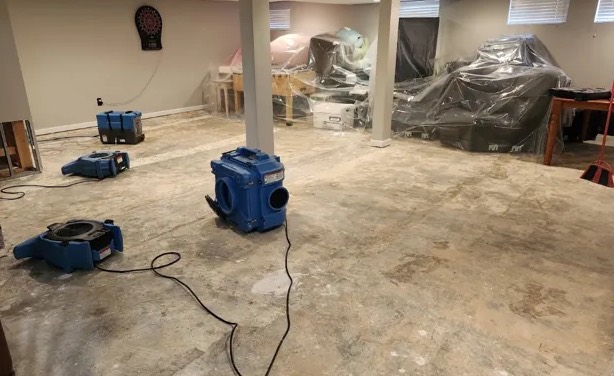
Odor Removal After Water Damage: Getting Rid of Musty Smells in Weymouth
That house smells musty after leak scenario in Weymouth often points to damp materials trapped inside walls or under floors, where evaporation is slow.
For homes in Weymouth, sewage odor removal is essential after incidents involving contaminated water to prevent health risks. Local water damage pros offer sewage odor cleanup and musty odor elimination, serving Weymouth and nearby locations like Braintree, Quincy and Milton.
Detailed Odor Removal after Water Damage Methods for Properties in Weymouth
HVAC System Decontamination
The deodorization pros in Weymouth clean all components and use antimicrobial treatments to decontaminate the ductwork, ensuring clean air flow.
Wall Cavity Odor Treatment
In Weymouth, local experts employ specialized equipment to circulate deodorizing agents behind drywall, addressing the source of the smell for a complete solution.
Sewage Odor Cleanup
Sewage backups create severe odors and health risks. In Weymouth, the pros use specialized cleaning and EPA-registered disinfectants.
Furniture Odor Removal
In Weymouth, the pros address smelly furniture with specialized processes. These methods neutralize odors absorbed in fabrics and padding, allowing your sofas, mattresses, and chairs to be refreshed and saved.
Musty Odor Elimination
A musty smell after water damage in Weymouth points to lingering dampness. The experts use deodorization to target the source.
Spotting the Need for Odor Removal after Water Damage in Weymouth
Bad Smell Lingering in Carpets
If carpets smell bad after a leak, water has soaked into padding. Carpet deodorizing services remove the smell and underlying moisture.
General Bad Smell With High Humidity
A pervasive bad smell with high indoor humidity points to widespread mold. Mold odor elimination requires addressing the ambient moisture source.
Strong Smell After a Pipe Burst
A strong smell after a burst pipe flood means water is soaking into porous materials and needs fast drying.
Sewer Gas Smell in Bathroom
A sewer gas smell after a toilet overflow means contaminated water reached the floor and needs cleaning and disinfecting.
How Odor Removal after Water Damage Works in Weymouth
Step 1: Identify and Isolate Smell
The first step is to pinpoint the origin of the bad smell and isolate the zone.
Step 2: Remove Contaminated Materials
Porous materials soaked with contaminated water are removed and disposed of safely, because they hold odor.
Step 3: Deep Clean and Deodorize
All affected areas are cleaned with antimicrobial solutions and deodorizers, including carpet and furniture.
Step 4: Restore Dry Conditions
Professional drying equipment establishes a dry environment to prevent odor recurrence. Completing this water damage deodorization step is key to long-term success.
What Causes Musty Smells After Water Damage in Weymouth
Wet Carpet Padding
Carpet fibers may dry, but the underlying padding often stays saturated. This trapped moisture causes a persistent bad smell.
Hidden Mold Growth
Mold growing unseen inside walls or under floors releases microbial volatile organic compounds.
Standing Water in Crawlspaces
Standing water in low-lying areas evaporates slowly, creating constant humidity. This leads to a chronic musty smell that permeates the living space above.
Decomposing Organic Matter
Floodwaters often carry dirt, leaves, and other organic debris into a home.
Odor Removal after Water Damage Services for All Properties in Weymouth
Residential Odor Removal after Water Damage
A house that smells musty after a leak needs the source found and removed. The specialists dry and treat damp attics and crawlspaces so the smell does not return.
Commercial Odor Removal after Water Damage
Commercial properties require odor control that meets health standards. The pros handle large-scale issues like musty smells in warehouses or locker rooms, using industrial equipment for effective water damage smell removal.
Odor Removal after Water Damage: Professional Help vs. Home Remedies in Weymouth
Running a dehumidifier in a damp room can lower humidity and slow the odor from getting worse. It helps while you wait, but it does not remove the source of the smell.
Understanding Odor Removal after Water Damage Pricing in Weymouth
For odor removal after water damage in Weymouth, the severity of the initial water damage is a key cost factor. Lingering smells from a major flood demand more resources than a small leak.
HVAC Involvement
If the home's air system is contaminated, HVAC system decontamination adds significant scope, requiring duct cleaning and air handler treatment.
Affected Square Footage
The area size needing treatment, from one room to the entire home, directly influences labor time, equipment use, and material costs.
Containment Needs
Strong odors from mold or sewage may require sealing off areas to prevent cross-contamination, adding setup time and material expenses.
Does Insurance Cover Odor Removal after Water Damage?
Coverage for mold-related odor varies. Some policies cover a little if the mold came from a covered water loss, and others exclude it, so check with your insurer.
The Value of Local Deodorization Pros for Odor Removal after Water Damage in Weymouth
Comprehensive Approach
Addresses both the symptom and the cause, ensuring the water damage is dried to prevent odor recurrence from new mold.
Containment Procedures
Strong odors are isolated using physical barriers and negative air pressure to prevent them from spreading to clean areas of the home.
Thermal Fogging Capability
For pervasive odors, thermal foggers deploy deodorizing agents in a mist that penetrates materials to neutralize smells at their source.
Urgent Odor Removal after Water Damage Assistance in Weymouth, Massachusetts
Act quickly to eliminate musty odors before they permeate a home's structure. The pros offer 24/7 emergency services to begin mitigation and control the problem. Call (508) 419-9014 now for help.
Call Now (508) 419-9014Odor Removal after Water Damage Coverage for Weymouth, Braintree, Quincy and Milton
Odor Removal after Water Damage resolves the unpleasant aftermath of leaks and floods for homeowners in Weymouth. Those in neighboring locations like Braintree, Quincy and Milton can also access the pros.
- Odor Removal after Water Damage in Braintree
- Odor Removal after Water Damage in Quincy
- Odor Removal after Water Damage in Milton
- Odor Removal after Water Damage in Stoughton
- Odor Removal after Water Damage in Winthrop
- Odor Removal after Water Damage in Dedham
- Odor Removal after Water Damage in Canton
- Odor Removal after Water Damage in Brookline
- Emergency Damage Restoration in 02188
- Storm Damage Restoration in 02188
- Water Damage Restoration in 02188
- Water Extraction Service in 02188
- Water Leak Detection in 02188
- Water Removal Service in 02188
- Emergency Damage Restoration in 02189
- Storm Damage Restoration in 02189
Odor Removal after Water Damage FAQs
Can odors return after odor removal after water damage?
Odors can return if the original water damage was not completely dried, allowing new mold. A thorough job addresses both moisture and smell.
How does furniture odor removal work?
Upholstered furniture may be cleaned with specialized solutions. For severe contamination or porous materials, encapsulation or ozone treatment might be used to neutralize smells.
What is the process for get rid of water damage smell?
The standard process is source identification, complete drying of all materials, cleaning or removal of contaminated items, and final deodorization of the air and surfaces.
Is sewage odor removal different from other odors?
Yes, sewage smells involve dangerous pathogens and require specific biocides and safety protocols. The decontamination process is more intensive than for a musty odor.
What causes a musty smell after water damage?
The odor usually comes from mold like mold or mildew thriving on damp materials. Inadequate drying allows these organisms to produce volatile compounds.