Wilmington, MA · Middlesex County
Septic Tank Backup Water Removal in Wilmington, MASeptic Tank Backup Water Extraction & Septic Backup Flood Water Removal
Septic Tank Backup Water Removal in Wilmington, MA provides emergency septic backup response, septic backup sewage cleanup, and septic overflow decontamination for Wilmington.
Answered 24/7
Local Septic Tank Backup Water Removal Solutions in Wilmington
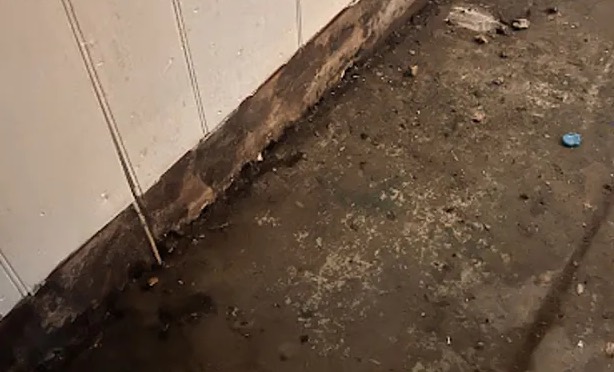
Septic tank flooding in Wilmington presents a serious health risk due to pathogens and gases from the backup. The contaminated water can ruin flooring, drywall and personal belongings if not removed promptly.
Septic tank backup water removal services in Wilmington are vital for homes that rely on septic systems, which can fail due to blockages or heavy use. Properties in nearby areas like Burlington, Reading and Woburn also face similar risks from septic overflows.
Key Septic Tank Backup Water Removal Procedures in Wilmington
Septic Tank Backup Water Extraction
The water extraction for a septic tank backup in Wilmington uses truck-mounted pumps to remove the contaminated water.
Septic Backup Flood Water Removal
Local septic overflow cleanup specialists respond 24/7 with industrial-grade equipment for septic backup water extraction. Removing the flood water stabilizes the property.
Septic Overflow Decontamination
The decontamination process applies specialized agents to kill bacteria and viruses left by the sewage spill. Local septic overflow cleanup specialists treat every surface the sewage touched.
Septic System Water Damage Repair
Repair work addresses structural components like floor joists or wall studs compromised by contaminated water. Repairs follow once the area is clean and dry.
Septic Backup Sewage Cleanup
Sewage cleanup after a septic backup in Wilmington requires the safe removal of all contaminated water and solid waste.
Indicators of a Septic Backup in Wilmington
Overflow From Septic Tank Lid Area
Visible effluent or wet soil around the septic tank access lid is a clear sign the tank is full and septic system water removal is required.
Drains Back Up After Heavy Rain
Drains that back up after storms often mean the drain field is saturated and the tank cannot drain.
Gurgling Sounds From Plumbing Vents
Bubbling or gurgling noises from roof vents or inside drains often precede visible septic tank flooding. Air is trapped by a blockage in the line.
Toilets Flush Slowly or Not at All
Weak flushing action or water rising to the rim indicates a severe septic line backup. This is a common trigger for emergency septic backup response.
How Septic Tank Backup Water Removal Works in Wilmington
Step 1: Septic Overflow Response
Local pros respond day or night and assess how far the septic water has spread.
Step 2: Septic System Water Removal
Extraction equipment removes the contaminated liquid quickly and limits the health hazard.
Step 3: Comprehensive Sewage Cleanup
Sanitizing and odor removal follow, so the space is fully decontaminated before drying.
Step 4: Repair and Documentation
The damage is documented for your insurer, and repairs address any structural harm from the backup.
Frequent Sources of Septic System Water Damage
Full or Failing Septic Tank
A tank at capacity cannot accept new wastewater, causing immediate backups into your home. Regular pumping prevents this common septic tank backup cause.
Clogged Inlet or Outlet Baffles
Blockages at the tank's entry or exit points prevent proper flow. This disruption is a frequent reason for septic tank water extraction calls.
Flushing Non-Biodegradable Items
Wipes, hygiene products and grease build up in pipes and cause stubborn clogs that push sewage back inside.
Damaged or Collapsed Drain Field
When the drain field fails, water has nowhere to go and backs up into the house again and again.
All-Property Septic Tank Backup Water Removal in Wilmington
Residential Septic Tank Backup Water Removal
A septic backup in a home needs urgent cleanup to protect the household's health. Pros remove the waste, then sanitize all surfaces with hospital-grade disinfectants.
Commercial Septic Tank Backup Water Removal
Industrial facilities with septic issues face complex challenges with machinery and large-scale flooring. The experts utilize truck-mounted pumps and industrial air movers to manage large volumes and restore the workspace to operational condition.
Professional Septic Tank Backup Water Removal Over DIY in Wilmington
For ongoing maintenance, you can schedule regular septic tank pumping every 3-5 years and avoid flushing non-degradables. If you experience recurring slow drains, a professional camera inspection is wise.
Cost Considerations for Septic Tank Backup Water Removal in Wilmington
The cost depends on how much floor area the septic backup covered and whether flooring, drywall or cabinets have to be removed.
Extent of Contamination
The severity of the septic backup and the area covered by sewage directly affects the hours of labor and materials required for proper cleanup.
Damage Documentation
Detailed septic water damage documentation for insurance purposes involves time for photos, moisture mapping, and report preparation by the specialists.
Affected Materials
Porous materials like drywall or flooring that absorb septic water may require removal and disposal, adding to the project's scope and expense.
Does Insurance Cover Septic Tank Backup Water Removal?
When filing a claim for septic line backup water removal, your insurer will assess the cause and the documentation provided. The pros create detailed reports to assist in that evaluation process.
Benefits of Local Septic Overflow Cleanup Specialists for Septic Tank Backup Water Removal
Methodical Drying Process
After extraction, industrial air movers and dehumidifiers ensure the area is dried to prevent secondary mold damage.
Detailed Damage Documentation
Photos, moisture readings, and detailed notes are compiled for your septic water damage documentation to support insurance communications.
IICRC-Standard Decontamination
Septic overflow decontamination follows industry protocols to neutralize harmful pathogens and bacteria, making the affected area safe again.
24/7 Emergency Septic Tank Backup Water Removal for Wilmington
A septic line backup needs professional help without delay. For help from septic cleanup pros in your area, call (508) 419-9014 right away.
Call Now (508) 419-9014Local Septic Tank Backup Water Removal for Burlington, Reading and Woburn
In Wilmington, homes can get septic backup water removal from the specialists, who also help homeowners in nearby areas like Burlington, Reading and Woburn.
- Septic Tank Backup Water Removal in Burlington
- Septic Tank Backup Water Removal in Reading
- Septic Tank Backup Water Removal in Woburn
- Septic Tank Backup Water Removal in Billerica
- Septic Tank Backup Water Removal in Tewksbury
- Septic Tank Backup Water Removal in Andover
- Septic Tank Backup Water Removal in Stoneham
- Septic Tank Backup Water Removal in Wakefield
- Emergency Damage Restoration in 01887
- Storm Damage Restoration in 01887
- Water Damage Restoration in 01887
- Water Extraction Service in 01887
- Water Leak Detection in 01887
- Water Removal Service in 01887
Septic Tank Backup Water Removal FAQ for Wilmington
Why is septic water damage documentation important?
Photos and moisture readings create a record for your insurance claim that shows the extent of the loss.
What's included in emergency septic backup response?
The specialists contain the hazard, extract the septic water, assess the damage and start cleanup and drying.
What causes a septic tank flooding incident?
Common causes include a full tank, a clogged drain field, pipe blockages or heavy rain overwhelming the system.
Is septic backup odor removal always necessary?
Almost always. Persistent odors indicate lingering contamination or moisture. Odor removal uses specialized equipment like hydroxyl generators or ozone machines to eliminate smells at their source.
What's the risk of untreated septic tank drain backup?
Untreated backups pose significant health risks from bacteria and viruses, cause permanent structural damage, and lead to pervasive mold infestations, greatly increasing repair costs later.