Stoughton, MA · Norfolk County
Temperature-Controlled Drying in Stoughton, MAMoisture Mapping & Air Mover Placement For Drying
In Stoughton, Temperature-Controlled Drying from local drying equipment pros includes rapid structural drying services, drying equipment deployment, and water damage drying logs for documented recovery.
Answered 24/7
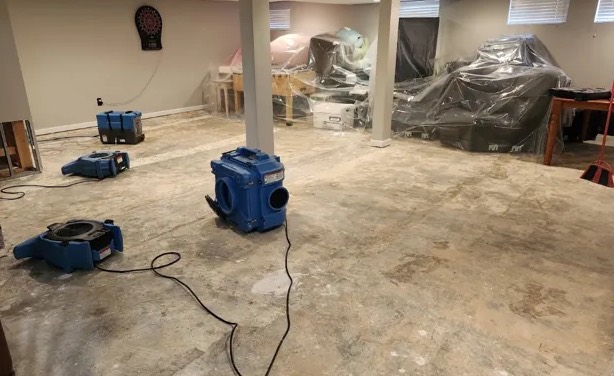
Local Temperature-Controlled Drying Solutions for Stoughton Homes
In Stoughton, slow or uneven drying lets wood rot and drywall soften, which adds cost and keeps you out of your home longer.
In Stoughton and nearby Canton, Sharon and Norwood, local pros take baseline moisture readings, then run air movers and dehumidifiers and log moisture levels as they drop.
Temperature-Controlled Drying Services in Stoughton
Moisture Mapping
Local drying equipment pros take regular moisture readings throughout the project. This monitoring verifies equipment performance and guides strategy adjustments.
Air Mover Placement for Drying
The pros plan placement around furniture and walls, and may build air dams or blow air into cavities to cut drying time in Stoughton homes.
Humidity Control for Restoration
The pros size dehumidifiers from the moisture map, then pair them with air movers to carry moisture away from materials.
Thermal Drying for Water Damage
The pros raise the room temperature in a controlled way to drive moisture out of dense materials like concrete slabs and beams, watching readings the whole time.
Drying Equipment Deployment
The pros set up LGR dehumidifiers, axial fans and cavity drying systems to work together on the wet structure.
Signs You Need Professional Temperature-Controlled Drying in Stoughton
Warping of Wood Floors or Trim
Floorboards begin to cup, buckle, or separate at the seams. This warping is a direct result of excessive, uneven moisture content.
Moisture Meter Shows High Readings
A moisture meter reading high inside walls or floors means drying is not finished.
Condensation on Windows or Surfaces
Excess humidity causes water droplets to form on cold surfaces. This condensation confirms the indoor air has too much moisture.
Cracking of Plaster or Joints
Plaster or drywall joint tape develops new cracks or fissures. These cracks occur as wet materials swell and then contract during drying.
How Temperature-Controlled Drying Works in Stoughton
Step 1: Detailed Moisture Mapping Inspection
The experts use advanced sensors to map all affected areas, including hidden cavities.
Step 2: Strategic Air Mover Deployment
Based on the map, the pros position high-velocity air movers to create optimal airflow across wet surfaces.
Step 3: Climate-Controlled Drying Implementation
Industrial dehumidifiers are deployed to precisely control temperature and humidity in the contained space.
Step 4: Continuous Moisture Monitoring and Logs
Pros take regular moisture readings to track progress, adjusting equipment as needed. Detailed drying logs document the entire process for your records.
Typical Reasons for Drying Needs in Stoughton
Inadequate Initial Water Extraction
Water left behind after a leak or flood moves into subfloors and walls, where it is harder to dry.
Storm-Driven Water Intrusion
Heavy rain overflows gutters or gets in around windows and soaks framing and insulation.
Overflowing Sinks or Bathtubs
A simple blockage or forgetfulness leads to an overflow event. Water spreads quickly, soaking cabinetry and flooring, and requires thorough drying equipment deployment.
Poor Ventilation After a Flood
Closing up a wet room traps humid air, which slows drying and lets moisture soak further into materials.
Whole-Property Temperature-Controlled Drying in Stoughton
Residential Temperature-Controlled Drying
At home, moisture hides in attics, crawl spaces and behind finished walls. Pros map it before setting up equipment so the whole house dries.
Commercial Temperature-Controlled Drying
In offices, schools and clinics, pros use quieter drying equipment that can run in occupied spaces, and document when drying is complete.
Professional Temperature-Controlled Drying vs. Do-It-Yourself in Stoughton
For a small, recent water spill, use towels to blot surface water and improve air circulation with fans. If water soaks into porous materials like drywall or carpet padding, contact the experts.
Cost Considerations for Temperature-Controlled Drying in Stoughton
In Stoughton, cost depends on how far the moisture spread and how many rooms need drying equipment and monitoring.
Moisture Mapping Complexity
Checking moisture in layered floors or hidden cavities takes more time and equipment.
Documentation Requirements
Detailed drying logs and moisture reports for insurance take extra time to prepare.
Structural Material Types
Porous materials like concrete or dense wood require more aggressive drying strategies and extended monitoring, influencing the project timeline and cost.
Does Insurance Cover Temperature-Controlled Drying?
Humidity control for restoration following a water incident might be considered under the drying portion of a claim. The pros in Stoughton provide precise documentation of the controlled drying systems used and the results achieved.
Why Choose Local Drying Equipment Pros for Temperature-Controlled Drying in Stoughton
Advanced Moisture Mapping
Moisture meters and thermal cameras find hidden wet pockets so every affected material is dried.
Ongoing Moisture Monitoring
Regular checks with moisture meters verify that drying goals are met, helping ensure no residual dampness remains within walls or floors.
Strategic Equipment Deployment
Air movers and dehumidifiers are placed according to a plan for even airflow and low humidity.
Emergency Temperature-Controlled Drying Response for Stoughton, MA
For thermal drying and moisture mapping in Stoughton, call (508) 419-9014 for help from the pros, day or night, and ask how they will track moisture until the materials are dry.
Call Now (508) 419-9014Local Temperature-Controlled Drying Coverage for Stoughton, Canton, Sharon and Norwood
Climate-controlled and thermal drying are available in Stoughton and surrounding places including Canton, Sharon and Norwood.
- Temperature-Controlled Drying in Canton
- Temperature-Controlled Drying in Sharon
- Temperature-Controlled Drying in Norwood
- Temperature-Controlled Drying in Walpole
- Temperature-Controlled Drying in Braintree
- Temperature-Controlled Drying in Dedham
- Temperature-Controlled Drying in Foxborough
- Temperature-Controlled Drying in Milton
- Emergency Damage Restoration in 02072
- Storm Damage Restoration in 02072
- Water Damage Restoration in 02072
- Water Extraction Service in 02072
- Water Leak Detection in 02072
- Water Removal Service in 02072
Frequently Asked Questions About Temperature-Controlled Drying
What happens if hidden moisture is not found during mapping?
Undetected moisture can lead to ongoing deterioration, odor issues, and mold growth inside walls or under floors, underscoring the critical need for thorough initial assessment.
What is the strategy behind air mover placement?
They are angled to move air across wet surfaces in a pattern, so moisture evaporates into the air where dehumidifiers can capture it.
When is climate-controlled drying necessary versus regular drying?
Climate-controlled drying is necessary for severe losses, sensitive materials, or when precise environmental control is needed to prevent damage, unlike simple air drying for minor spills.
What materials benefit most from controlled drying systems?
Porous structural materials like drywall, wood framing, and concrete, as well as contents like documents and furniture, benefit greatly from controlled, gradual drying to prevent ruin.
What is the difference between air movers and dehumidifiers?
Air movers evaporate moisture from surfaces into the air, and dehumidifiers pull it back out of the air.