Wilmington, MA · Middlesex County
Temperature-Controlled Drying in Wilmington, MAAir Mover Placement For Drying & Moisture Mapping
For Temperature-Controlled Drying in Wilmington, local moisture control experts handle thermal drying for water damage, humidity control for restoration, and drying equipment deployment to prevent mold.
Answered 24/7
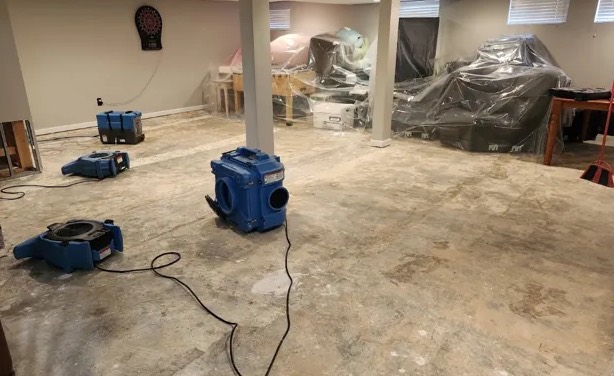
Professional Temperature-Controlled Drying in Wilmington, MA
In Wilmington, materials dry at different rates. Local pros map moisture content so each material gets the drying it needs.
In Wilmington and nearby Burlington, Reading and Woburn, fast structural drying stops mold before it starts. Local pros map moisture, then use LGR dehumidifiers and planned air mover placement until readings are normal.
Temperature-Controlled Drying Services in Wilmington
Air Mover Placement for Drying
Local moisture control experts angle and space air movers in each room in Wilmington so air flows evenly across every wet surface.
Moisture Mapping
Systematic testing identifies moisture content percentages in all building materials. The experts compare readings to known dry standards.
Climate-Controlled Drying Systems
Advanced systems allow precise manipulation of the drying environment. By controlling the dew point, the experts can aggressively dry contents without risk.
Rapid Structural Drying Services
The experts aim air movers at wet studs, joists and subfloors to dry the structure as fast as it safely can be dried.
Thermal Drying for Water Damage
The experts apply thermal energy to enhance air mover and dehumidifier effectiveness. This lowers relative humidity, creating a stronger force to pull moisture from materials.
Symptoms Needing Temperature-Controlled Drying in Wilmington
High Humidity Readings Inside
A hygrometer showing unusually high indoor humidity after water damage means the building is still wet.
Visible Mold Growth in Corners
Black, green or white specks in damp corners or on baseboards are usually mold, which means moisture has been there a while.
Cold, Damp Feeling in a Room
A room feels noticeably colder and damper than the rest of the house. This sensation is often due to evaporative cooling from wet materials.
Moisture Meter Shows High Readings
A moisture meter reading high inside walls or floors means drying is not finished.
How Temperature-Controlled Drying Works in Wilmington
Step 1: Initial Moisture Survey and Readings
Pros take baseline moisture readings across the property to plan the drying.
Step 2: Precision Air Mover Placement
Air movers are placed at set angles and distances to target specific wet materials.
Step 3: Deployment of Drying Systems
Dehumidifiers are sized to the moisture load and the size of the space.
Step 4: Ongoing Monitoring and Adjustment
Equipment is moved and adjusted as materials dry, so drying keeps moving.
Causes of Persistent Dampness Requiring Controlled Drying in Wilmington
HVAC System Condensation Issues
A clogged condensate drain line causes an overflow inside the air handler. This water can soak insulation and ductwork, creating a hidden moisture issue.
Foundation Cracks and Seepage
Hydrostatic pressure forces groundwater through cracks in the foundation wall. This seepage creates a constant dampness that challenges standard drying technology.
Sprinkler System Activation
A fire sprinkler discharges, releasing a large volume of water quickly. This event saturates entire areas and requires precise air mover placement and strategy.
Appliance Malfunction or Overflow
A failed washing machine hose, water heater or dishwasher can release many gallons onto the floor.
Residential and Commercial Drying in Wilmington, MA
Residential Temperature-Controlled Drying
Residential restoration focuses on saving personal items and preventing long-term odors in living areas and bedrooms. The specialists employ thermal drying for water damage to gently yet effectively dry contents and building materials.
Commercial Temperature-Controlled Drying
In commercial settings, uncontrolled humidity can damage sensitive electronics, documents, and finished goods. The pros implement humidity control for restoration to create optimal drying conditions for diverse materials.
Temperature-Controlled Drying: DIY Risks vs. Professional Care in Wilmington
A home's HVAC on 'fan only' mode can circulate air, but it is not a substitute for professional drying. A wet-dry vacuum can remove standing water from a very localized incident.
Cost Considerations for Temperature-Controlled Drying in Wilmington
In Wilmington, cost depends on how far the moisture spread and how many rooms need drying equipment and monitoring.
Equipment Needs
The number and type of air movers, dehumidifiers and heaters used affect the cost.
Documentation Requirements
Detailed drying logs and moisture reports for insurance take extra time to prepare.
Drying Time Required
Longer drying periods for climate-controlled systems mean more equipment runtime and monitoring, impacting the overall cost of the restoration project.
Does Insurance Cover Temperature-Controlled Drying?
Coverage is not automatic and depends on your policy. The pros provide humidity readings and equipment logs for your claim file. Your insurer decides what is covered.
Selecting Moisture Control Experts for Temperature-Controlled Drying in Wilmington
IICRC-Standard Drying Methods
Drying follows industry guidelines and is checked with meters, which keeps framing and floors from staying wet.
Comprehensive Drying Logs
Detailed, chronological logs of moisture readings and equipment settings provide a transparent record of the entire temperature-controlled drying process.
Strategic Equipment Deployment
Air movers and dehumidifiers are placed according to a plan for even airflow and low humidity.
Round-the-Clock Emergency Temperature-Controlled Drying in Wilmington
For temperature-controlled drying after a leak or flood, call (508) 419-9014 any time. The pros can start drying the structure right away.
Call Now (508) 419-9014Temperature-Controlled Drying Near Wilmington: Communities Served
Temperature-controlled drying is available for homes and businesses in Wilmington and nearby areas like Burlington, Reading and Woburn.
- Temperature-Controlled Drying in Burlington
- Temperature-Controlled Drying in Reading
- Temperature-Controlled Drying in Woburn
- Temperature-Controlled Drying in Billerica
- Temperature-Controlled Drying in Tewksbury
- Temperature-Controlled Drying in Andover
- Temperature-Controlled Drying in Stoneham
- Temperature-Controlled Drying in Wakefield
- Emergency Damage Restoration in 01887
- Storm Damage Restoration in 01887
- Water Damage Restoration in 01887
- Water Extraction Service in 01887
- Water Leak Detection in 01887
- Water Removal Service in 01887
Common Temperature-Controlled Drying Questions Answered
What is the difference between air movers and dehumidifiers?
Air movers evaporate moisture from surfaces into the air, and dehumidifiers pull it back out of the air.
What is temperature-controlled drying?
It is a drying method that controls heat and humidity together to remove moisture from building materials and contents safely and quickly.
How long does the temperature-controlled drying process take?
It depends on the damage, the materials and the conditions. Pros monitor readings and stop when moisture goals are met.
What are the benefits of rapid structural drying services?
Rapid structural drying minimizes the time materials are wet, reducing the risk of swelling, warping, and secondary damage like mold, which helps preserve property value.
What are water damage drying logs used for?
Drying logs are detailed records of moisture readings, equipment settings, and progress; they provide documentation for the restoration process and are often required for insurance claims.