Wilmington, MA · Middlesex County
Water Damage Assessment in Wilmington, MAMold Growth Risk Assessment & Moisture Mapping
Water Damage Assessment in Wilmington includes water leak source detection, moisture mapping and documentation, and structural damage inspection.
Answered 24/7
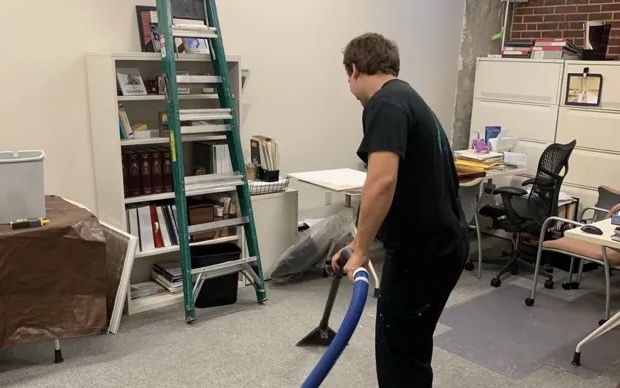
Comprehensive Water Damage Assessment in Wilmington, Massachusetts
In Wilmington, a water damage assessment shows how far a leak or flood spread and what needs repair, which helps avoid surprises later. Local water damage pros check the structure and map the moisture.
In Wilmington, a water damage evaluation maps moisture, checks the structure and lists damaged contents. Local water damage pros also serve places such as Burlington, Reading and Woburn.
Thorough Water Damage Assessment for Wilmington Homes and Businesses
Mold Growth Risk Assessment
Mold spores are always present. The assessment finds damp surfaces and cavities where mold could grow, which guides the final dryness checks in Wilmington.
Moisture Mapping
Accurate moisture mapping reveals invisible damage. The pros scan walls and floors with meters to find trapped moisture in construction materials.
Structural Damage Inspection
The inspection checks floors, ceilings and framing for sagging or buckling, which matters for safety after a water event.
Water Damage Report
A clear record of the event is needed. The water damage documentation report from the pros details all findings with photos and sensor data.
Hidden Water Damage Inspection
Water often spreads to unseen areas in Wilmington. The pros conduct a hidden water damage inspection using advanced detection tools.
Indicators of Hidden Water Damage in Wilmington
Warped or Buckling Flooring
Hardwood floors that cup or laminate that buckles point to moisture underneath and possible structural damage.
Discolored Walls or Ceilings
Water stains or yellowish patches on walls and ceilings often indicate slow leaks or past flooding that need a professional water damage inspection.
Stained or Sagging Insulation
Discolored, damp, or drooping insulation in an attic or crawlspace is a red flag for ongoing water infiltration.
Water Pooling in Unusual Areas
Standing water in a basement, crawl space or around appliances means water is getting in and the area needs inspection.
How Water Damage Assessment Works in Wilmington
Step 1: Emergency Contact and Leak Containment
The pros respond to your call to first stop active water flow. This initial leak detection services step prevents further flooding and stabilizes the situation for a detailed inspection.
Step 2: Thorough Moisture Mapping and Inspection
Pros use moisture meters and thermal cameras to map all affected areas, including inside walls and under floors.
Step 3: Damage Classification and Scope Outline
The pros determine the water category and class, assessing contamination levels. They then create a restoration scope and estimate outline detailing the necessary repairs and drying protocol.
Step 4: Detailed Reporting and Plan Presentation
You receive a complete water damage report with photos, moisture readings, and findings. The pros review the drying equipment plan and next steps for restoring your property.
Typical Water Leak Origins in Wilmington
Sprinkler System or Irrigation Leaks
Broken sprinkler heads or underground line leaks can saturate soil next to a foundation, promoting water intrusion and mold.
Appliance Malfunctions and Failures
Water heaters, washing machines, dishwashers, and refrigerators can leak due to worn hoses, faulty valves, or internal tank failures.
Foundation Cracks and Poor Drainage
Hydrostatic pressure from poor yard grading or clogged drains can push water through foundation cracks, causing basement flooding.
HVAC System Condensation Issues
Clogged drain lines or malfunctioning condensate pumps in air conditioners can cause water to back up and damage ceilings and walls.
Water Damage Assessment for Wilmington Homes and Businesses
Residential Water Damage Assessment
In condos and houses, the assessment checks damp areas like crawl spaces for mold risk, which shapes the drying plan.
Commercial Water Damage Assessment
For restaurants and hotels, the pros check kitchens, laundry areas and guest rooms so health concerns are part of the cleanup plan.
The Risks of Skipping Pro Water Damage Assessment in Wilmington
You can move small, portable belongings out of standing water and place aluminum foil under furniture legs to prevent carpet staining. Do not attempt to operate electronics or appliances in wet areas. For a proper content and belongings evaluation and to assess electrical hazards, contact the specialists.
Water Damage Assessment Cost in Wilmington, MA
Pricing for flood damage assessment in Wilmington considers the category and class determination of the water and the development of a drying equipment plan.
Inspection Depth Required
Finding hidden water behind walls or under floors takes more tools and time.
Water Category and Class
Determining if water is clean, gray, or black, along with its evaporation rate, adds complexity to the evaluation.
Mold Inspection Necessity
A concurrent mold growth risk assessment after water damage adds another layer of analysis to the overall service.
Does Insurance Cover Water Damage Assessment?
Coverage for flood damage assessment varies by insurance policy type and the incident's cause. The pros follow industry-standard methods to produce evidence for the homeowner's claim.
Advantages of Hiring Local Pros for Water Damage Assessment in Wilmington
Mold Risk Identification
The assessment includes evaluating conditions for mold growth after water damage to inform necessary next steps.
Structural Integrity Evaluation
The inspection checks building materials for structural damage before any repairs are planned.
Belongings Assessment
Personal contents and belongings are evaluated for water damage as part of the overall property assessment process.
Emergency Water Damage Inspection in Wilmington
After a leak or flood, an early inspection limits damage. Call (508) 419-9014 24/7 to have the source found and the damage recorded.
Call Now (508) 419-9014Water Damage Assessment Serving Wilmington, Burlington, Reading and Woburn
Emergency water damage inspection is available 24/7 for properties in Wilmington, along with nearby Burlington, Reading and Woburn.
- Water Damage Assessment in Burlington
- Water Damage Assessment in Reading
- Water Damage Assessment in Woburn
- Water Damage Assessment in Billerica
- Water Damage Assessment in Tewksbury
- Water Damage Assessment in Andover
- Water Damage Assessment in Stoneham
- Water Damage Assessment in Wakefield
- Emergency Damage Restoration in 01887
- Storm Damage Restoration in 01887
- Water Damage Restoration in 01887
- Water Extraction Service in 01887
- Water Leak Detection in 01887
- Water Removal Service in 01887
Frequently Asked Questions About Water Damage Assessment
What is a drying equipment plan development?
Based on moisture mapping, pros outline the specific types, number, and placement of air movers, dehumidifiers, and other equipment needed for effective drying.
Is mold inspection after water damage always necessary?
While not always immediately visible, assessing mold risk is a prudent part of the process, as mold can begin growing within 24-48 hours in damp conditions.
What is the difference between water damage inspection and restoration?
Inspection is the diagnostic phase that assesses and documents the damage. Restoration is the physical work of drying, cleaning, and repairing based on that assessment.
What happens during content and belongings evaluation?
Personal items and furniture are inspected for water damage, documented, and recommendations are made for cleaning, restoration, or disposal based on the level of saturation.
When is an emergency water damage inspection needed?
An emergency inspection is critical for major leaks, flooding, or any water incident where rapid documentation and action are needed to prevent further damage.