Wilmington, MA · Middlesex County
Pinhole Leak Water Removal in Wilmington, MAFloor Water Damage Repair & Emergency Water Removal Service
Pinhole Leak Water Removal in Wilmington provides ceiling leak water extraction, copper pipe leak repair and emergency water removal service.
Answered 24/7
Professional Pinhole Leak Water Removal in Wilmington, MA
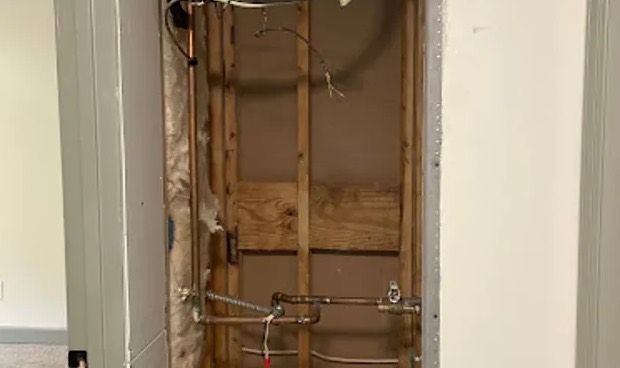
Pinhole leaks can soak stud bays and insulation inside a wall for weeks. That hidden water weakens drywall and framing, which then need drying or replacement.
Properties in Wilmington and nearby places like Burlington, Reading and Woburn often have plumbing systems susceptible to pinhole corrosion. Local water removal pros provide focused pinhole leak water removal and copper pipe leak repair.
Complete Pinhole Leak Water Removal Process for Wilmington
Floor Water Damage Repair
Water from a wall pinhole leak frequently wicks down into flooring and subfloors. Experts pull up affected floorboards, tiles, or carpet to expose and dry the subfloor beneath.
Emergency Water Removal Service
An after-hours leak requires a systematic response. Local water damage restoration pros secure the property, document the initial damage, and begin extracting water.
Ceiling Leak Water Extraction
A stained, wet ceiling requires immediate water removal. Professionals set up containment and use wet vacuums to extract moisture from the ceiling material.
Wall Water Damage Cleanup
Moisture trapped behind paint and wallpaper can cause bubbling and peeling. The extent of water migration within the wall assembly is assessed.
Pinhole Leak Detection
Small drips from a pinhole leak can silently saturate building materials. Experts systematically check plumbing lines for the telltale signs of corrosion.
Warning Signs You Need Pinhole Leak Water Removal in Wilmington
Sagging or Stained Ceilings
Ceiling drywall that turns brown or sags from water weight can fall and needs drying right away.
Reduced Water Pressure
A noticeable drop in water pressure at faucets can mean a supply line is leaking.
Unexplained Water Stains on Walls
Stains appear on drywall or ceilings without a visible leak. This suggests water damage from a pinhole leak in pipes behind the surface.
Warped or Buckling Floorboards
Flooring that swells or warps from moisture above or below often hides a pinhole leak in a nearby line.
How Pinhole Leak Water Removal Works in Wilmington
Step 1: Emergency Water Removal and Containment
The pros first extract all standing water using truck-mounted pumps. They immediately contain the area to prevent moisture from spreading to unaffected rooms.
Step 2: Professional Pinhole Leak Detection
Listening devices and moisture meters find the exact spot of the leak, so only a small section of wall or floor needs to be opened.
Step 3: Structural Drying and Dehumidification
Industrial air movers and dehumidifiers are placed to dry wall cavities, subfloors, and framing. Readings are taken until the area is dry.
Step 4: Mold Prevention and Final Verification
After drying, pros apply antimicrobial agents to treated surfaces to inhibit mold growth. Moisture readings are taken to verify the home is dry before any repairs begin.
What Causes Water Damage in Wilmington Homes
Aggressive Water Chemistry
Water with high acidity or mineral content accelerates pipe corrosion. This is a primary cause of copper pipe pinhole leaks.
Physical Damage From Renovations
Accidental nicks or punctures from drills, nails, or screws during remodeling work can compromise pipes. This damage may not be immediate.
Age and General Material Fatigue
All plumbing materials degrade with decades of use. Old pipes simply wear out, making pinhole leaks and water damage more likely.
Abrasion From Rubbing Surfaces
Pipes rubbing against framing or other pipes during normal house movement cause wear. This abrasion can create a pinhole leak over years.
Property Pinhole Leak Water Removal Services in Wilmington
Residential Pinhole Leak Water Removal
Homeowners face risks like mold growth in wall cavities and ruined flooring. The experts perform targeted water extraction to save cabinetry and drywall.
Commercial Pinhole Leak Water Removal
Office buildings and retail spaces require discreet, after-hours leak damage drying services. The pros work to prevent water from affecting electrical systems and tenant spaces.
The Risks of DIY Pinhole Leak Water Removal in Wilmington
You can wipe down exposed pipes to check for moisture or signs of active dripping. Never attempt electrical repairs in a wet area or touch wet wiring.
Understanding Pinhole Leak Water Removal Cost in Wilmington
Hidden water leak cleanup expense increases if demolition is required to reach the source. Repairing drywall, insulation, or structural elements after extraction adds to the restoration work.
Extent of Water Damage
The spread of water from the pinhole leak into walls, ceilings, or floors significantly influences the project scope and required labor hours for cleanup.
Leak Detection Complexity
Locating the exact source of a hidden pinhole leak can require specialized equipment, affecting the initial phase of the water removal process.
Drying Time Required
The duration needed for industrial air movers and dehumidifiers to achieve proper drying standards directly correlates to operational costs.
Does Insurance Cover Pinhole Leak Water Removal?
For pinhole leak water removal, insurance coverage depends on the policy's conditions. The pros dry the area and provide a full damage assessment for the claim.
Benefits of Local Pinhole Leak Water Removal Pros in Wilmington
Focused Water Damage Cleanup
The process addresses both the immediate water removal and the subsequent cleanup of affected surfaces and materials.
Comprehensive Drying Procedures
A systematic drying process using professional air movers and dehumidifiers aims to remove moisture from structures and contents.
IICRC-Standard Water Extraction
The pros remove standing water quickly, which limits how much soaks into building materials.
Urgent Pinhole Leak Water Removal Available in Wilmington
Active water from a pinhole leak requires a fast response. Contact (508) 419-9014 for 24/7 emergency water removal in Wilmington. The specialists typically start with an immediate assessment and deploy equipment to begin the mitigation process.
Call Now (508) 419-9014Where Pinhole Leak Water Removal is Provided Near Wilmington
For residents of Wilmington, needing pinhole leak water removal, local pros serve this community and surrounding locations such as Burlington, Reading and Woburn. They handle everything from leak detection to final drying.
- Pinhole Leak Water Removal in Burlington
- Pinhole Leak Water Removal in Reading
- Pinhole Leak Water Removal in Woburn
- Pinhole Leak Water Removal in Billerica
- Pinhole Leak Water Removal in Tewksbury
- Pinhole Leak Water Removal in Andover
- Pinhole Leak Water Removal in Stoneham
- Pinhole Leak Water Removal in Wakefield
- Emergency Damage Restoration in 01887
- Storm Damage Restoration in 01887
- Water Damage Restoration in 01887
- Water Extraction Service in 01887
- Water Leak Detection in 01887
- Water Removal Service in 01887
Your Pinhole Leak Water Removal Questions Addressed
What tools are used for leak damage drying services?
Professionals use industrial-grade air movers, dehumidifiers, moisture meters, and thermal imaging cameras to dry structures effectively and monitor the drying process.
Why choose professionals for copper pipe leak repair?
Professional repair ensures the pinhole leak is correctly addressed and the plumbing system's integrity is restored, helping to prevent future leaks in the same area.
How is a hidden pinhole leak located?
The experts use specialized equipment to listen for water sounds, measure moisture in walls, or use thermal imaging to locate the source of hidden water leaks behind surfaces.
What should I do while waiting for water removal pros?
If safe, try to stop the water source, move valuables from the wet area, and avoid using electrical outlets near water. Do not attempt major demolition yourself.
Are pinhole leaks covered by homeowners insurance?
Coverage depends on your policy. Sudden, accidental leaks are often covered, while damage from long-term wear may not be.